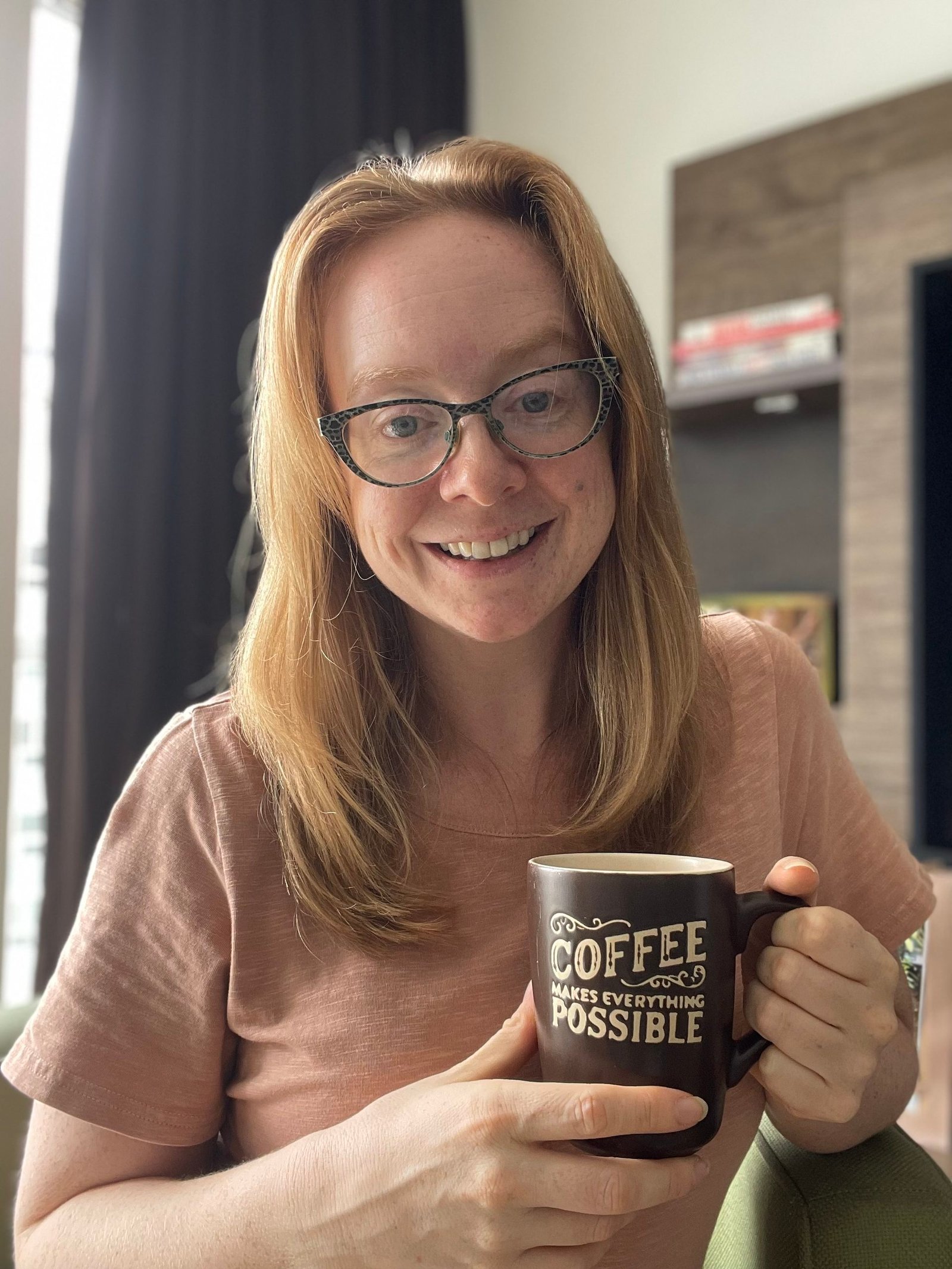
Hi, I’m Lisa.

I Really Like Spreadsheets.

Like… probably more than is reasonable.

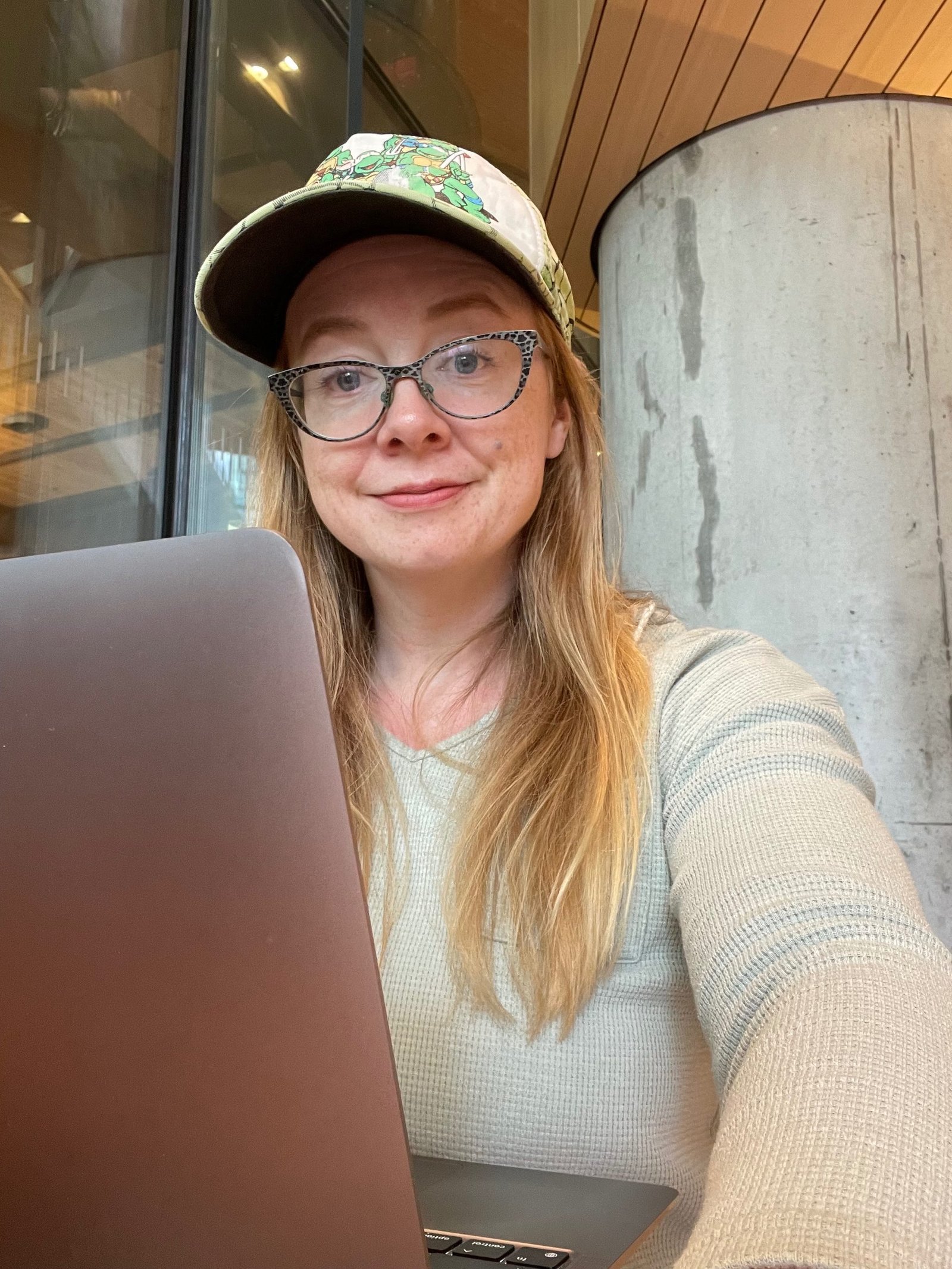
I started my career as a web and software developer. I’ve been using computers since I was five, taught myself the basics of coding and building websites before eventually going to school for it, and for a long time I assumed web & software development was what I’d do forever.

But I’ve also always been the person who makes a spreadsheet for everything. So when I started my first business in 2014 and suddenly had to figure out bookkeeping, I did what seemed perfectly logical to me:

I looked at the bookkeeping software available, thought “Meh, I can do this with a spreadsheet,” and built my own.

10+

Years of Bookkeeping Experience

15+

Years of Development Experience

That online marketing business grew considerably. We had multiple fiscal years with more than $500,000 in revenue. We incorporated. The finances got more complicated.

And I just kept doing the bookkeeping with spreadsheets. They weren’t even nearly as sophisticated as the ChicBooks system is today! I simply never found that conventional bookkeeping software gave me enough additional value to justify the cost and complexity of making the switch.

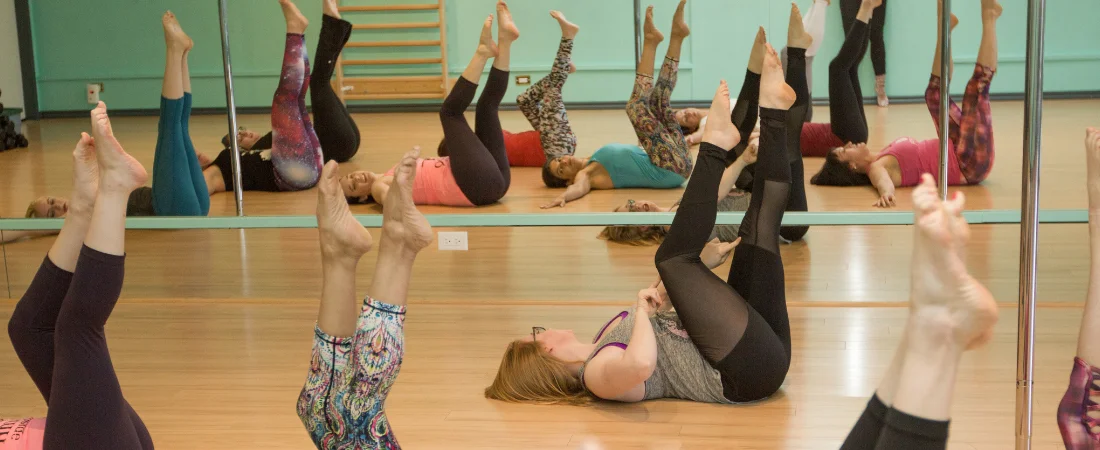
And then there was my pole studio. Although I couldn’t call it a financial success, we built a truly incredible community of people there and it remains one of my favourite things that I’ve ever done. More importantly, though, running that business taught me something I think gets lost when we talk about bookkeeping:

The numbers aren’t just there for filing your tax return. They give you valuable feedback that you can use to help you run your business and make decisions.
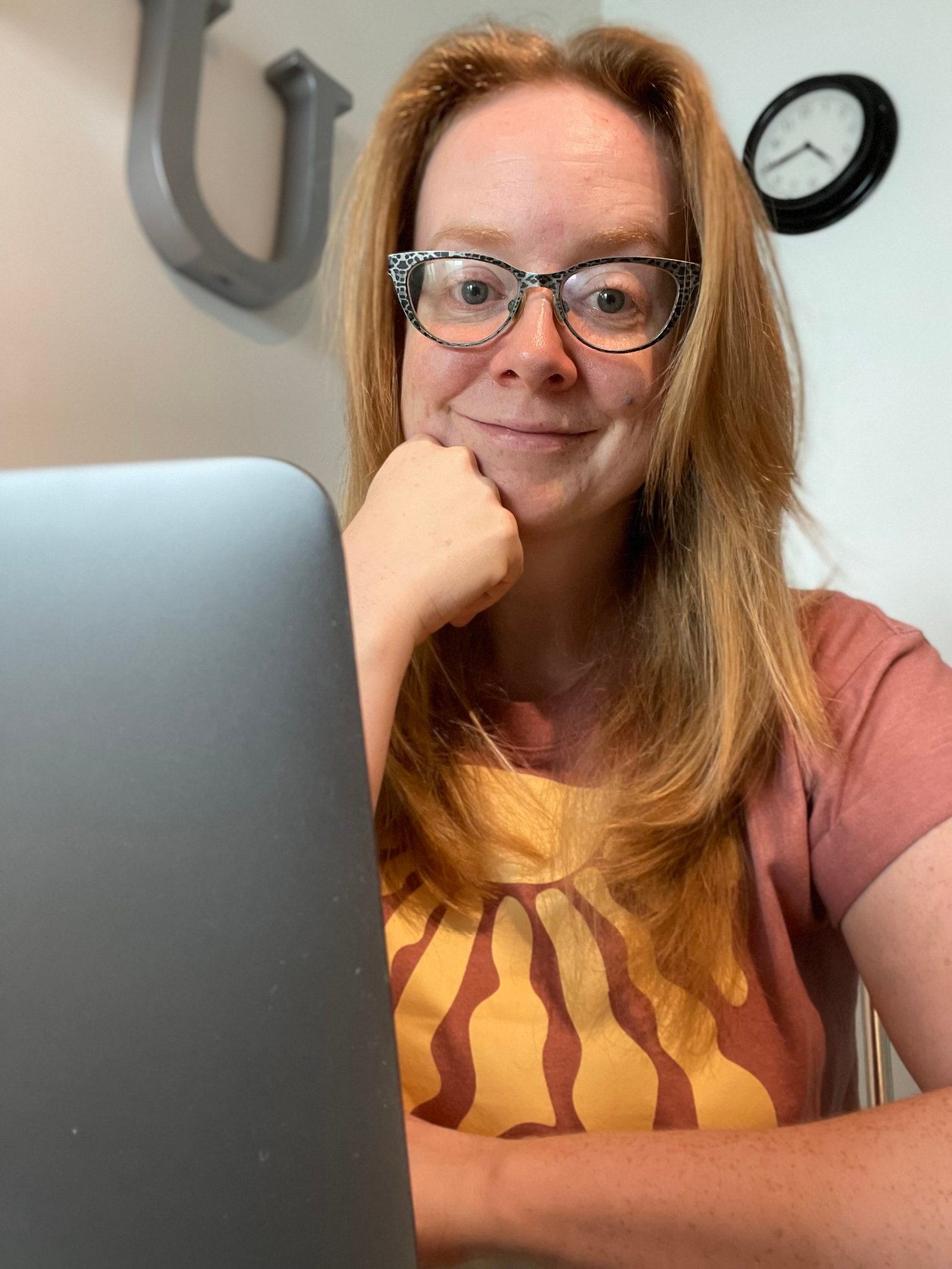
Then my friends started asking me for help with their books.

Apparently, most people don’t get the same enjoyment out of bookkeeping that I do. Who knew?

Friends who owned businesses knew I’d been handling my own books for years, and they started asking me for help with getting theirs organized at tax time. That eventually turned into working with bookkeeping clients on a regular basis—and I discovered that I really enjoyed it.

It was fascinating getting an inside look at businesses completely different from my own and seeing how their revenue, expenses and cash flow worked. A number on a spreadsheet isn’t particularly interesting by itself.

What that number tells you about the business is.

Eventually, I decided to make this my next career.

As AI began changing the web and software development industry, I found myself thinking seriously about whether I wanted to spend the next chapter of my career doing the same thing I’d always done.

The answer was no.

So I decided to take something I’d already been doing for myself, friends and clients and get much more serious about it.

I started filling in the gaps in the bookkeeping knowledge I’d accumulated through experience with more education.

And strangely enough, I think learning things in that order has made me better at what I do.

I’ve been the person staring at something and thinking:

“I have only the vaguest idea how any of this works.”

I’ve made mistakes.

I’ve learned from them.

I’ve gone down very deep research rabbit holes trying to understand why something works the way it does.

And I’ve experienced firsthand what it’s like to make decisions when it’s your money, your time and your business on the line.

That’s the perspective I bring to my clients today. I’m not interested in doing bookkeeping just so everything is tidy enough to keep the CRA happy. Obviously, we want to do that, but I think good bookkeeping should give you something much more valuable:

A better understanding of your business.

Your numbers should help you see what’s working, identify what might need attention and make better decisions about what to do next.

I built it specifically around the needs of Canadian sole proprietors

I wanted a bookkeeping system that didn’t just record what came in and what went out. I wanted it to answer the questions I actually cared about as a business owner.

  • What can I afford to pay myself?
  • Approximately how much should I be setting aside for taxes?
  • Where is my money going?
  • How is the business actually doing?

And, most importantly:

What should I do next?

That’s the same philosophy I bring to my done-for-you bookkeeping clients. You don’t need to become a bookkeeping expert – that’s my job.

I want you to understand your business well enough to make confident decisions about where you’re going next.

If you’re a Canadian sole proprietor and you’d rather have someone else handle the bookkeeping while still understanding what your numbers are telling you, we can start with a free 15-minute fit call.

No commitment. We’ll talk about your business, where you’re at with your books, and whether I’m the right person to help.